Why Costa Rica leads on sustainability
Costa Rica generates more than 99% of its electricity from renewable energy, protects over 25% of its territory as national parks or reserves, and has reversed deforestation trends that devastated the country in the mid-20th century. For a nation of five million people, these are extraordinary environmental achievements, and they shape the travel experience in ways you feel on the ground.
In Guanacaste specifically, the Costa Rican Tourism Institute (ICT) runs the Ecological Blue Flag Program (Bandera Azul Ecologica), awarding certifications to beaches that meet rigorous standards for water quality, waste management, safety infrastructure, and environmental education. In 2024, 151 beaches across the country earned the certification, with 50 of them in Guanacaste. Hacienda Pinilla's beaches sit within this landscape. The ICT's official Blue Flag program page explains the full certification criteria.
Hacienda Pinilla's conservation approach
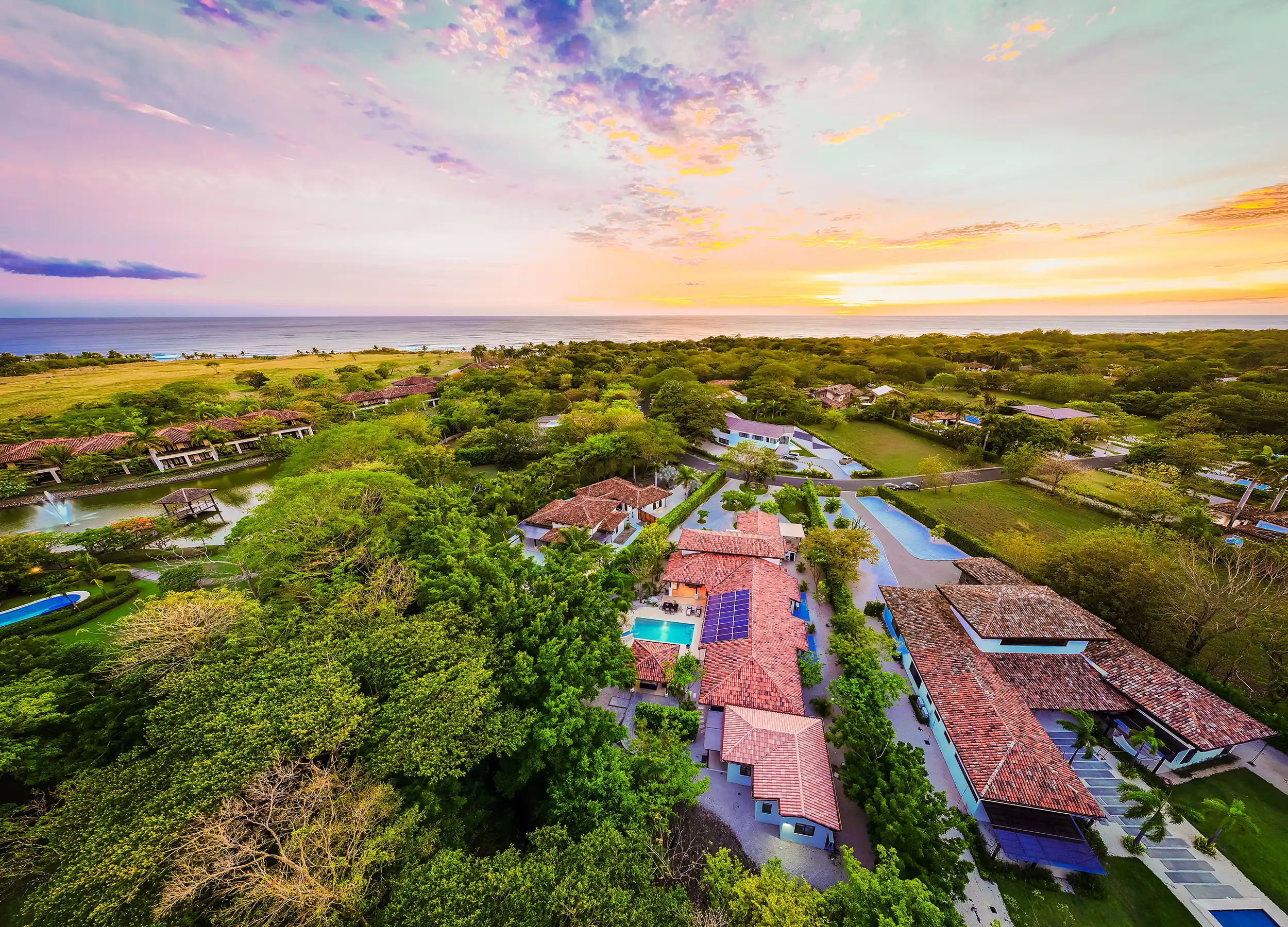
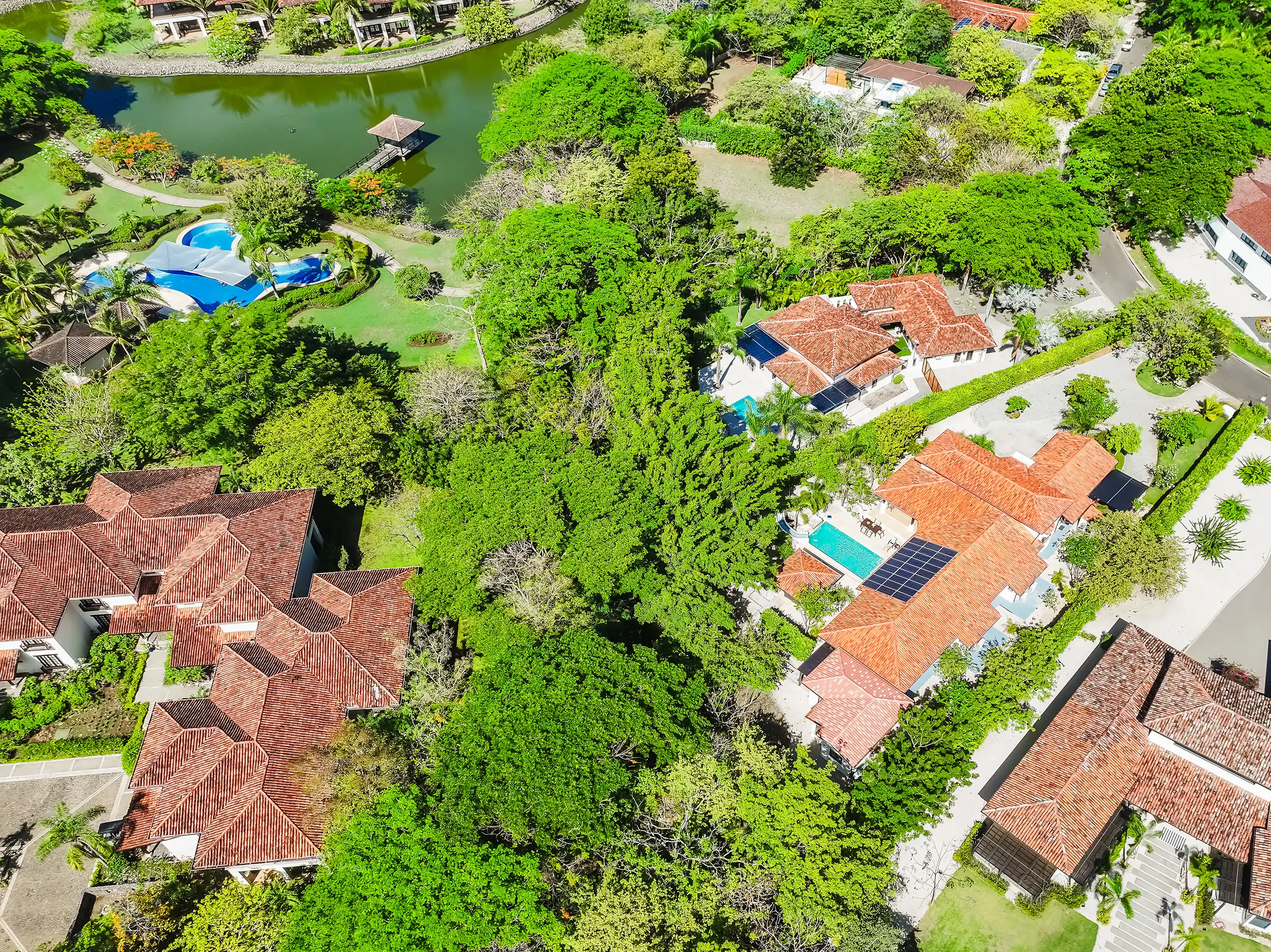
Hacienda Pinilla is built on 4,500 acres of historic ranch land, and the community has maintained significant portions as protected dry forest and wildlife corridors. The golf course is Audubon Society certified, which means its design and maintenance actively works to preserve and enhance the ecological balance of the site rather than compromising it.
The howler monkeys, scarlet macaws, deer, iguanas, and sea turtles that guests report seeing regularly are not incidental. They are the result of a community that has genuinely chosen to manage its land in a way that keeps wildlife corridors intact. When guests describe the property as feeling like a private jungle, they are describing the outcome of active conservation choices, not just luck.
How to travel responsibly from Casa Bonita Beach
The most meaningful things guests can do do not require significant effort. They are mostly about awareness and a few practical choices.
Practical sustainable travel from the villa
- Wildlife. Observe howler monkeys, macaws, iguanas, and other wildlife from a respectful distance. Do not feed any wildlife. Do not approach or attempt to touch animals. Their presence depends on being left alone.
- Reefs and tide pools. At Playa Bonita's snorkel lagoon, do not touch the coral, do not collect shells or marine life, and do not wear reef-damaging sunscreens. Reef-safe mineral sunscreens are widely available.
- Water. The villa has filtered drinking water. Using this rather than single-use plastic bottles reduces plastic waste meaningfully over a week-long group stay.
- Tours and activities. The concierge works with operators who have established track records. When booking activities, ask about their sustainability practices, especially for ocean-based activities like catamaran tours where anchor and waste management practices vary.
- Grocery shopping. The large supermarket near LIR stocks locally produced products alongside imports. Choosing local produce, local coffee, and Costa Rican products supports the agricultural communities in the region.
- Tipping. Service workers in Costa Rica, including the housekeeper and concierge, rely on tips as a meaningful part of their income. Tipping generously for exceptional service is one of the most direct ways travel dollars benefit the local community.
The bigger picture
Tourism is the largest industry in Costa Rica and a primary driver of the conservation economy. The logic is straightforward: when intact forests, healthy reefs, and abundant wildlife generate income, communities have economic reasons to protect them. When tourists pay to see howler monkeys in a protected corridor, the corridor stays protected.
Staying at a property like Casa Bonita Beach, within a gated community that has maintained wildlife corridors and operates with environmental standards built into its charter, puts your tourism spend inside that economy. The choice of where to stay is itself a sustainability decision. Anywhere Travel's guide to Costa Rica's Blue Flag program explains the broader conservation framework in accessible terms.
Planning a conscious trip to Guanacaste?
Ask us about reef-safe practices at Playa Bonita, wildlife viewing etiquette, and eco-responsible activity operators we recommend.